Account
About This Tool
The pDST Calculator is designed to assist laboratory professionals in calculating accurate drug concentrations for Phenotypic Drug Susceptibility Testing (pDST) of Mycobacterium Tuberculosis. This tool follows WHO guidelines and international standards (e.g., CLSI, EUCAST) to ensure reliable and reproducible results.
Key Definitions in Drug Susceptibility Testing (DST)
The following table provides essential definitions adapted from WHO, CLSI, and EUCAST guidelines:
| Term | Definition (adapted from WHO, CLSI, EUCAST) | Reference |
|---|---|---|
| Borderline result | A DST result that falls close to the defined breakpoint or critical concentration, where technical variability may influence interpretation (e.g., between "susceptible" and "resistant"). Such results should be repeated or confirmed using another method (e.g., sequencing or a repeat MIC test). | A |
| Clinical breakpoint | The concentration of an anti-TB drug that separates strains likely to respond to treatment from those likely not to respond. It integrates clinical outcome data, MIC distributions, PK/PD parameters, and dosing information. When resistance can be overcome by increasing the dose up to the maximum tolerated level, a higher clinical breakpoint may be defined. Clinical breakpoints guide individual treatment decisions and are not used for resistance surveillance. | A, B |
| Clinical concentration | The amount of drug per defined volume of body fluid, often expressed as mass per mL of plasma or serum. | A |
| Critical concentration | The lowest concentration of an anti-TB drug that inhibits ≥99% (or 90% for pyrazinamide) of phenotypically wild-type M. tuberculosis strains in vitro. It is primarily used for surveillance and DST standardization, not clinical decision-making. | A |
| Dilution or conversion factor | A numerical factor used to convert between concentrations or dilutions of a drug when preparing DST stock or working solutions (e.g., converting µg/mL to mg/mL or preparing serial twofold dilutions). | A |
| Drug – potency factor | A correction factor representing the drug's true biological activity relative to its weight. The potency factor (e.g., 0.95 µg active/mg powder) is used when calculating the amount to weigh for accurate drug concentrations. | A |
| Drug – purity | The percentage of material that is the active compound, free from impurities or contaminants. Purity ensures accurate and reliable DST results. | A |
| Drug resistance evolution | The gradual emergence and selection of genetic mutations or adaptive mechanisms in M. tuberculosis that reduce susceptibility to anti-TB drugs, often accelerated by inadequate or incomplete treatment. | C |
| Drug | Any chemical substance that affects biological functions of living organisms or pathogens. In DST, "drug" refers to anti-TB agents used to inhibit M. tuberculosis growth. | D, E |
| ECOFF | The epidemiological cut-off value (ECOFF) corresponds to the highest MIC defining the phenotypically wild-type (pWT) population. Isolates with MICs above the ECOFF are considered non-wild type (pNWT) and may harbor resistance mechanisms. | A, F |
| Heteroresistance | The presence of subpopulations within a clonal bacterial isolate that show differing levels of susceptibility to the same antimicrobial agent. It represents an early or mixed stage of resistance development. | G |
| High-level resistance | Resistance where the MIC is substantially above achievable serum concentrations, indicating that even high drug doses cannot overcome it. | B, A |
| Indeterminate result | A DST result that cannot be confidently classified as susceptible or resistant due to technical issues (e.g., contamination, growth failure, or borderline MIC). Repeat testing is required. | A |
| Intermediate resistance | An MIC that falls between susceptible and resistant categories, suggesting reduced sensitivity. Clinical outcome may depend on exposure or dose adjustment. | B, F |
| Low-level resistance | Resistance characterized by MICs slightly above the susceptible range, often linked to minimal inhibitory mutations that may still be overcome by higher doses. | H |
| Minimum inhibitory concentration (MIC) | The lowest concentration of an antimicrobial agent that prevents visible growth of ≥99% of bacteria in vitro. MIC defines susceptibility levels and underpins breakpoint and ECOFF definitions. | A |
| Monoresistance | Resistance to a single first-line anti-TB drug while remaining susceptible to all others. | I |
| Control | A standard sample used in DST to verify that test conditions and reagents are performing correctly. Includes positive controls (known resistant strain) and negative controls (susceptible strain, e.g., H37Rv). | A |
| Negative control | A drug-free condition designed to confirm the expected absence of inhibition, ensuring that observed inhibition is due to the drug rather than technical error. In M. tuberculosis DST, this is typically the drug-free control containing the reference strain (H37Rv). | A, J, K |
| Positive control | A culture or sample known to show a resistant or inhibited growth outcome under test conditions. Used to verify that the assay can detect true resistance or inhibition. In M. tuberculosis DST, this typically involves a strain with a known resistance mutation (e.g., rpoB S450L for rifampicin). | A, J, K |
| Potency | The biological activity or strength of an antimicrobial agent per unit weight. Laboratories must standardize drug solutions based on the potency of the specific lot, considering purity, water content, and salt form. Potency may be expressed as a percentage or in µg per mg (w/w). | A |
| Purity | The extent to which a substance is free from contaminants or inactive material, typically expressed as a percentage. High purity ensures reproducibility and accuracy in DST. | L |
| Resistant | A category defined by an MIC or zone diameter indicating that therapeutic success is unlikely at normal or increased drug exposure, usually due to resistance mechanisms. | B |
| Resistance | A microorganism is categorized as "Resistant" when there is a high likelihood of therapeutic failure even with increased drug exposure. | F |
| Susceptible | A category defined by an MIC or zone diameter indicating that isolates are inhibited by drug concentrations achievable with the standard treatment regimen, predicting therapeutic success. | B |
| Susceptible, standard dosing regimen | Indicates a high likelihood of therapeutic success when the standard dosing regimen is used. | F |
| Susceptible, increased exposure | Indicates a high likelihood of therapeutic success when exposure to the agent is increased (e.g., by higher dose or increased drug concentration at the infection site). | F |
Reference Key
| A - WHO Technical Manual for DST (2023) | G - ScienceDirect (2022) |
| B - CLSI M23 (2022) | H - Baquero F., Drug Resistance Updates (2001) |
| C - WHO Global TB Report (2024) | I - WHO Global TB Programme |
| D - Britannica, "Drug – chemical agent" | J - CLSI M24 (2021) |
| E - WHO TB Glossary | K - EUCAST MIC Methods (2023) |
| F - EUCAST (2024) | L - ScienceDirect – Purity (Chemistry) |
Overview of Drug Susceptibility Testing (DST)
Definition
Drug Susceptibility Testing (DST) determines whether a Mycobacterium tuberculosis isolate is susceptible, intermediate, or resistant to one or more anti-TB agents. Testing can be performed using either solid or liquid culture systems and interpreted according to established critical concentrations or minimum inhibitory concentration (MIC) thresholds.
- WHO. Technical Manual for Drug Susceptibility Testing of Medicines Used in the Treatment of Tuberculosis (2023)
- CLSI M24 (2021)
Culture Media for Mycobacterium tuberculosis
Overview of Culture Media
Culture media are essential for the growth and maintenance of Mycobacterium tuberculosis in the laboratory. They provide the necessary nutrients and environmental conditions for the bacteria to thrive.
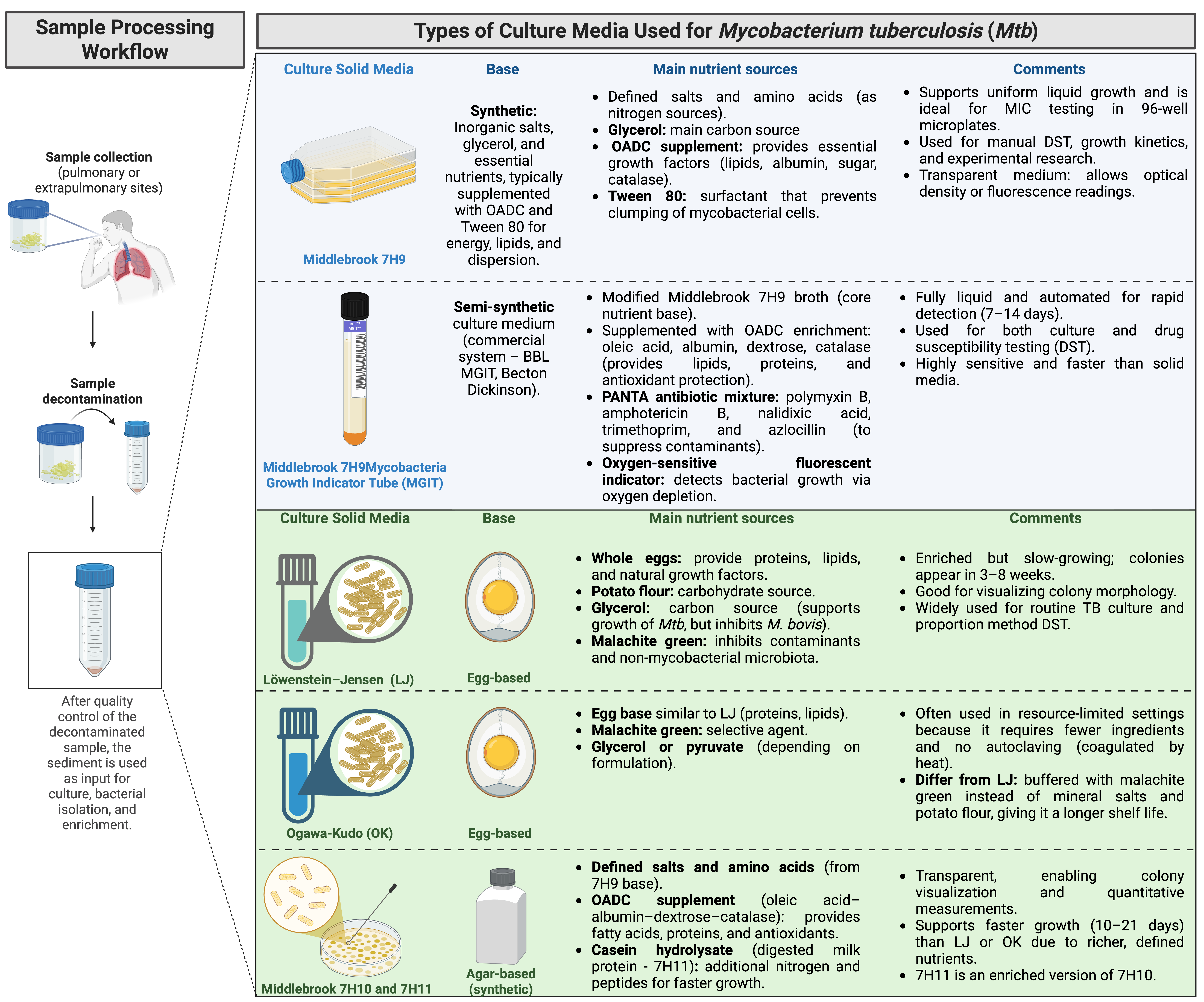
Figure 1: Overview of different culture media types used for M. tuberculosis cultivation and DST.
DST by Culture System
1) DST in Liquid Media
Definition
Liquid culture systems detect bacterial growth in a nutrient broth through changes in fluorescence, turbidity, or oxygen consumption. These systems provide faster results (typically 7–14 days) and allow quantitative MIC determination.
WHO Technical Manual for DST (2023); CLSI M24 (2021)
Common Liquid Media Systems
a. MGIT (Mycobacteria Growth Indicator Tube)
MGIT is a liquid-based culture system that measures oxygen consumption via a fluorescent sensor. It is widely used for both culture and DST of M. tuberculosis.
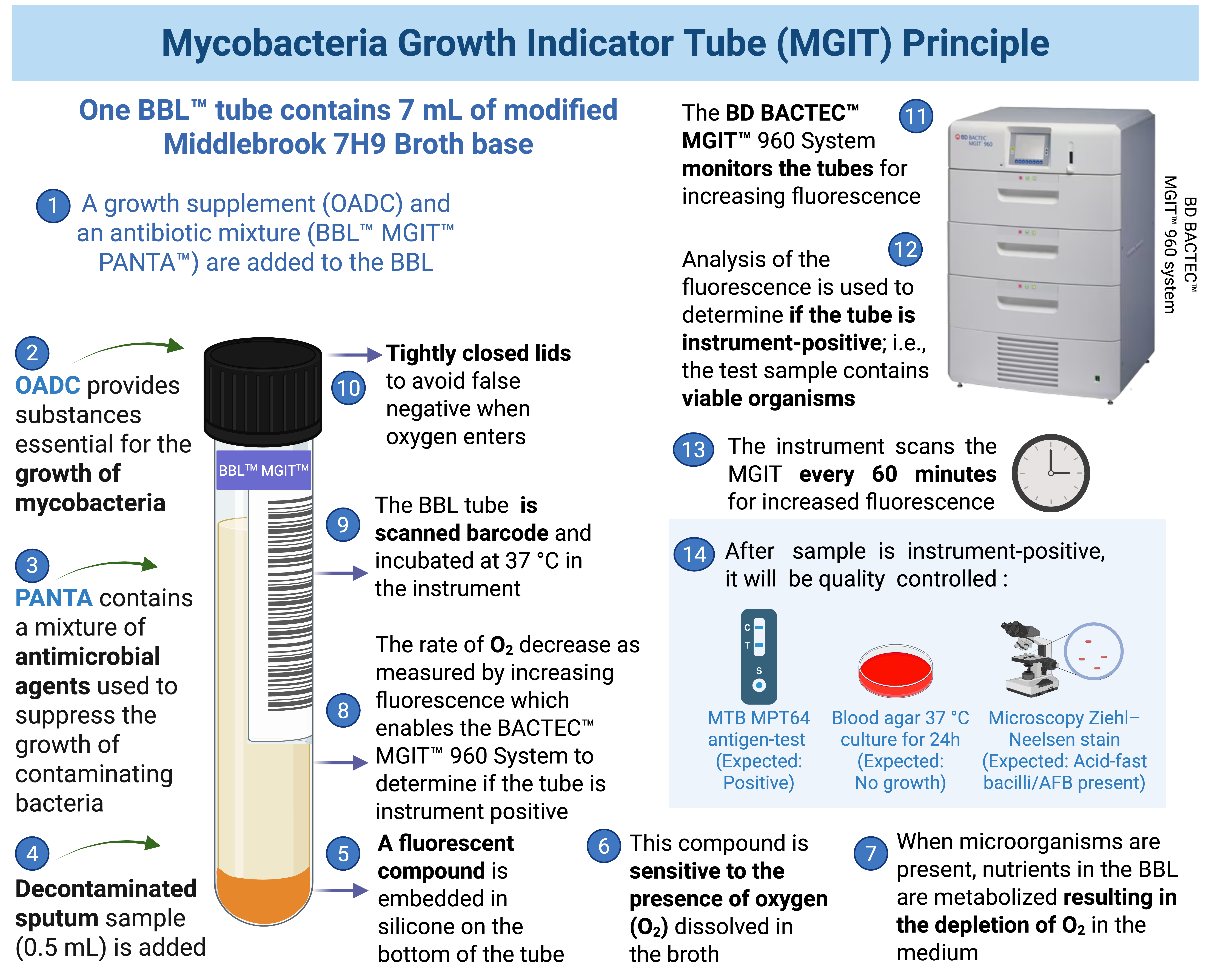
Figure 2: MGIT working principle showing fluorescent detection of oxygen consumption.
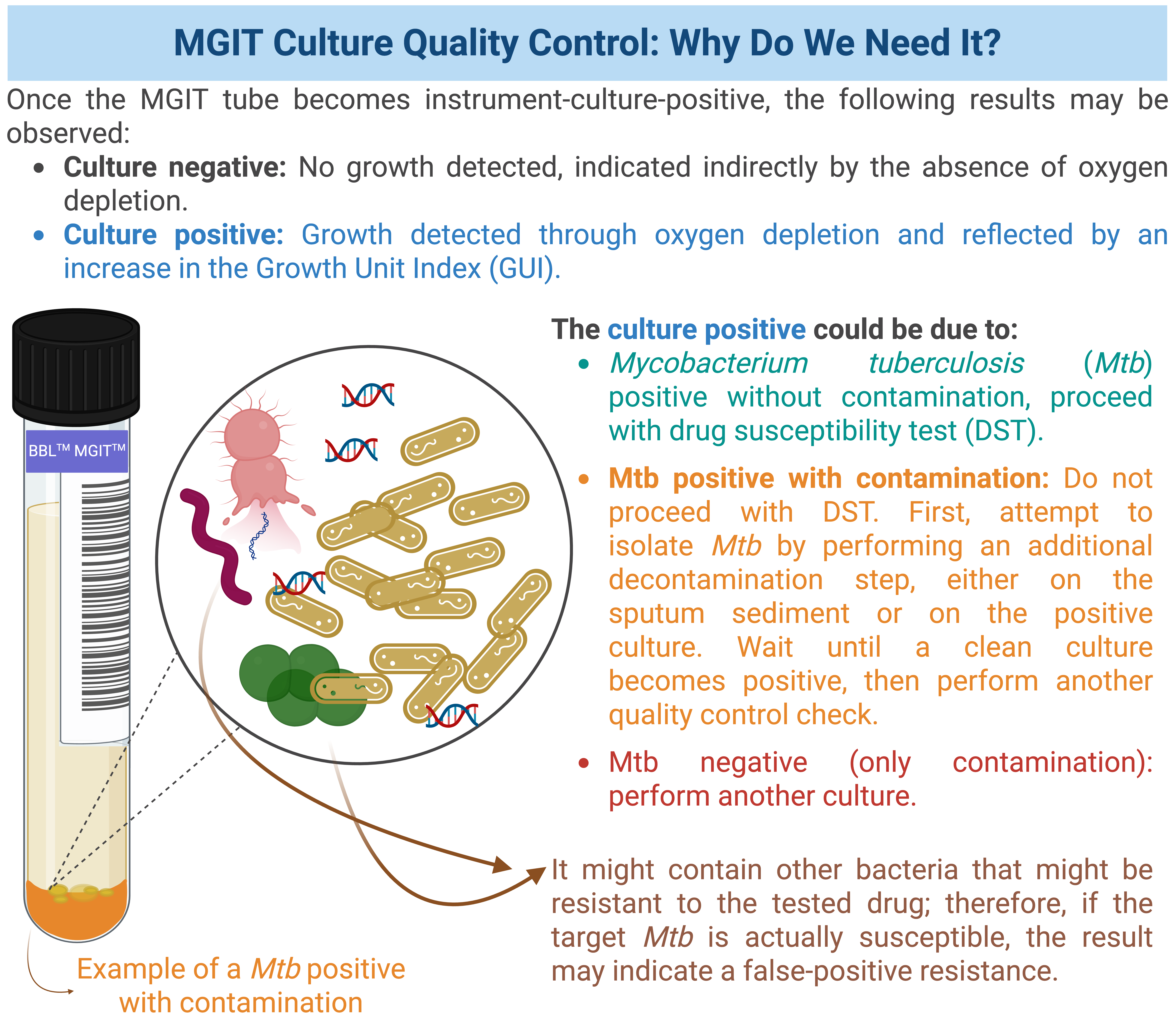
Figure 3: MGIT culture quality control procedures and standards.
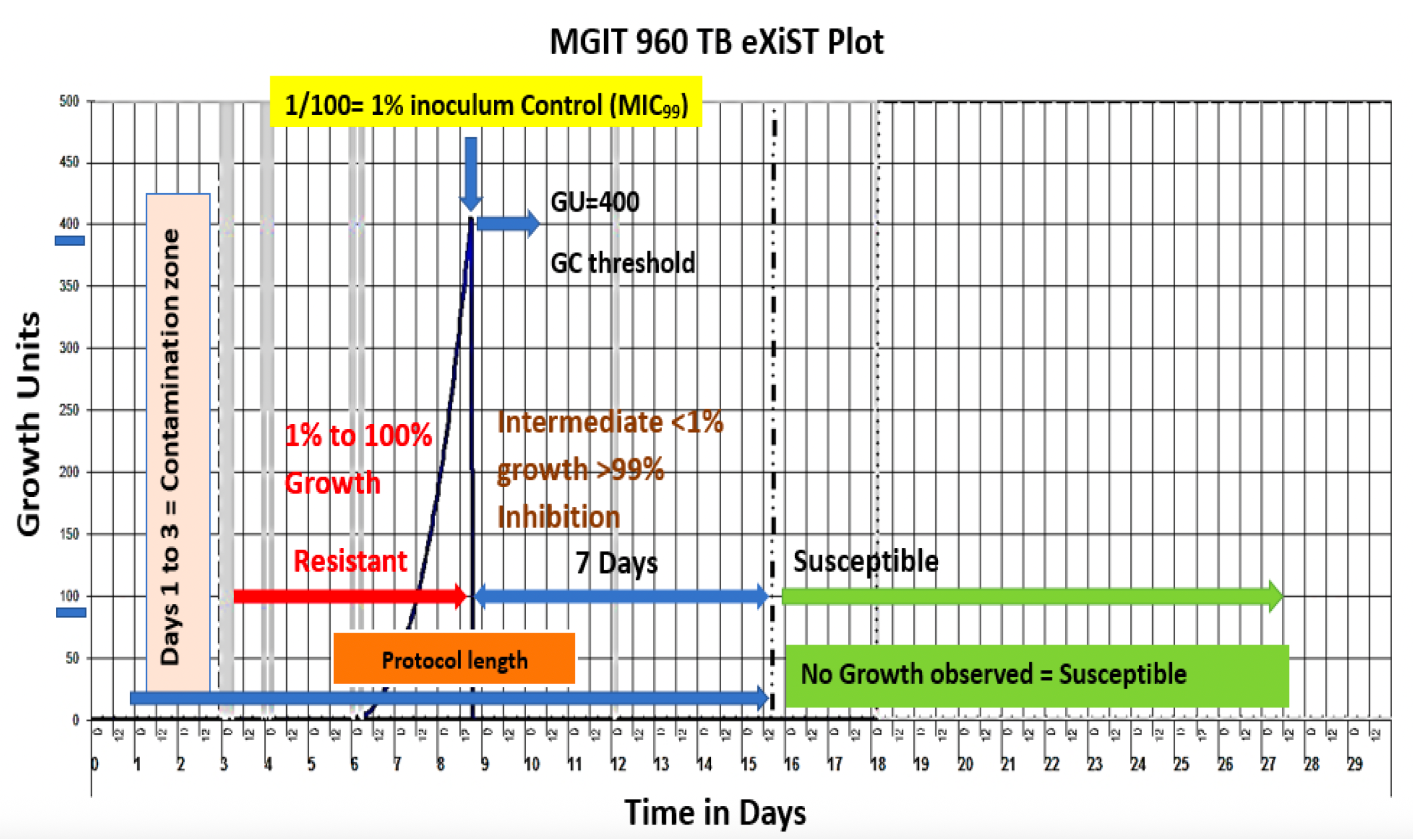
Figure 4: MGIT result interpretation guidelines for DST analysis.
b. Middlebrook 7H9 Broth
7H9 is a nutrient-rich liquid medium supplemented with OADC and Tween 80 to support M. tuberculosis growth. It is commonly used for MIC testing in 96-well microdilution plates.
2) DST in Solid Media
Definition
Solid media DST measures growth of M. tuberculosis colonies on agar- or egg-based media containing defined drug concentrations. Though slower (up to 6–8 weeks), it allows direct visual observation and confirmatory testing.
WHO Technical Manual for DST (2023); CLSI M24 (2021)
Common Solid Media
a. Middlebrook 7H10 Agar
A transparent agar medium used in proportion method DST, allowing clear observation of colony morphology. It is typically supplemented with OADC.
b. Middlebrook 7H11 Agar
An enriched variant of 7H10 containing casein hydrolysate to promote faster growth, ideal for weak or slow-growing isolates.
c. Löwenstein–Jensen (LJ) Medium
An egg-based solid medium containing malachite green to suppress contaminants. Commonly used for the proportion method and culture of M. tuberculosis.
- No colonies → susceptible
- Growth comparable to control → resistant
Summary: Common Media Types
| Liquid Media | Solid Media |
|---|---|
|
|